
Understanding your car’s dashboard warning lights can prevent costly repairs and keep you safe on the road. New research from MoneySuperMarket reveals that nearly a third of drivers ignore dashboard warnings for days. Of those, 35 percent dismiss engine check lights, while 28.9 percent continue driving after service or tire pressure alerts. Warrantywise found 46 percent of motorists cannot identify half of the warning symbols, leaving 23 million UK drivers potentially uninformed. Three percent—1.5 million people—cannot identify any warning lights at all.
Warning lights alert drivers to mechanical or electronic system failures. Ignoring them risks accidents and MOT failures. These lights fall into three categories: red signals urgent problems, orange or yellow indicates advisory issues, and blue or green covers informational alerts. Addressing issues promptly is essential, regardless of light count.
Red Warning Lights: Serious Problems Requiring Immediate Attention
A red battery symbol with plus and minus signs indicates charging system issues, possibly with the battery, alternator, or belt. Failure to resolve this may leave you unable to start the car without external help. A brake warning light could stem from an engaged handbrake or low brake fluid. If it persists after disengaging the handbrake, check the fluid level or consult a mechanic.
The oil can symbol warns of low oil pressure. Driving with this light on risks severe engine damage. Turn off the engine, check the dipstick, and top up oil if needed. A seat belt light featuring a person with a crossed-out belt signals an unbuckled occupant. Failure to wear seat belts can result in a £100 fine for the driver, plus penalties for unbelted children under 14.
The thermometer with wavy lines indicates engine overheating. Stop the car, turn off the engine, and allow it to cool before checking coolant levels. An airbag symbol shows a faulty restraint system, which could endanger occupants during a collision. A car-in-box symbol means a door, trunk, or hood is open. Pull over and secure the open panel immediately.
Orange and Yellow Lights: Advisory Alerts
A washer fluid container light indicates low washer fluid. Top up the reservoir to clear the warning. Traction control lights may flash briefly in slippery conditions, signaling the system is preventing wheel spin. Adjust driving habits accordingly; persistent illumination suggests system failure.
A low fuel gauge warning typically appears when 10-15 percent of the tank remains, offering roughly 30-50 miles of range. The ABS light activates during hard braking, indicating the anti-lock system is preventing wheel lockup. Modulate braking pressure to avoid recurrence; constant illumination points to system issues. The engine management light can signal problems ranging from an open fuel cap to major engine faults, requiring diagnostic testing.
A tire pressure monitoring system light illuminates for under-inflated tires, risking uneven wear, reduced fuel efficiency, and handling problems. A flashing TPMS light after starting indicates system malfunction, needing professional attention. A catalytic converter overheating light may allow continued driving but requires prompt diagnosis to avoid expensive repairs. A service interval light reminds drivers of upcoming maintenance, often showing mileage to the next service. Consult the owner’s manual for specifics.
A curved ‘D’ symbol with wavy lines indicates fog lights are active, which should only engage below 100 meters visibility to avoid dazzling others.
Additional Systems and Features
Modern vehicles often include advanced safety and convenience systems with their own warning indicators. A light showing a car’s speedometer with an arrow may activate when cruise control is engaged. This feature helps maintain consistent speed and distance from other vehicles. Drivers should be aware that manual speed adjustments may be necessary in changing conditions.
Diesel engines utilize glow plugs to aid ignition in cold weather. The glow plug light illuminates when the engine starts, indicating the plugs are heating up. If this light flashes, it signals a malfunction requiring professional attention. Ignoring this warning can lead to starting difficulties or engine strain.
Lane Assist System Indicators and Driver Preferences
Modern vehicles equipped with lane assist may display a dashboard light when the system is active. This feature automatically steers the car back into its lane if it begins to drift on the motorway. The indicator confirms the system is functioning and providing assistance to the driver.
Lane assist technology is increasingly common in newer vehicles, but some drivers choose to deactivate the feature. Personal preferences for manual control or concerns about system intervention may influence this decision despite its potential safety benefits.
Information and Indicator Lights
Turn signals use left or right arrows to indicate direction changes. Hazard lights trigger both arrows simultaneously, alerting other drivers to emergency stops. These visual cues are essential for clear communication on the road. Drivers must ensure these lights function properly for safety compliance.
When main beam headlights are activated, a blue light appears on the dashboard. This high-beam setting is useful for unlit roads but must be dipped when approaching other vehicles to avoid glare. Fog lights, indicated by a curved “D” symbol with wavy lines, should only activate in visibility below 100 meters to prevent dazzling oncoming drivers.
Some cars feature a stop/start system, shown by a curved arrow symbol. This system automatically shuts off the engine at stops to save fuel. If the symbol appears with an exclamation mark, it indicates a system fault needing diagnosis. Drivers should refer to the owner’s manual for specific troubleshooting steps.
The diesel particulate filter (DPF) light warns when the filter becomes clogged, often from short trips or low-speed driving. Prolonged motorway driving allows the system to regenerate and clear the filter. Failure to address this can lead to reduced engine performance or expensive repairs.
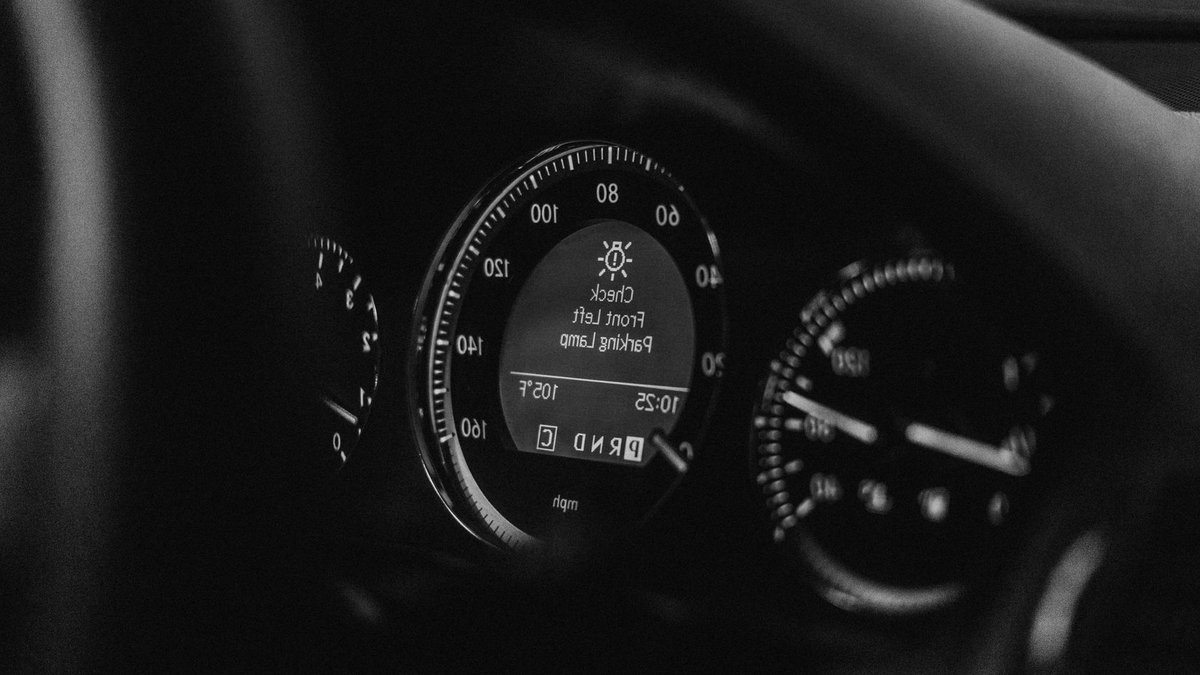
Some vehicles alert drivers to exterior bulb failures via dashboard warnings. Replacing the faulty bulb restores normal operation and ensures legal road requirements. Regular checks of all lights, including indicators and brake lights, help maintain safety and compliance.


Leave a Reply