
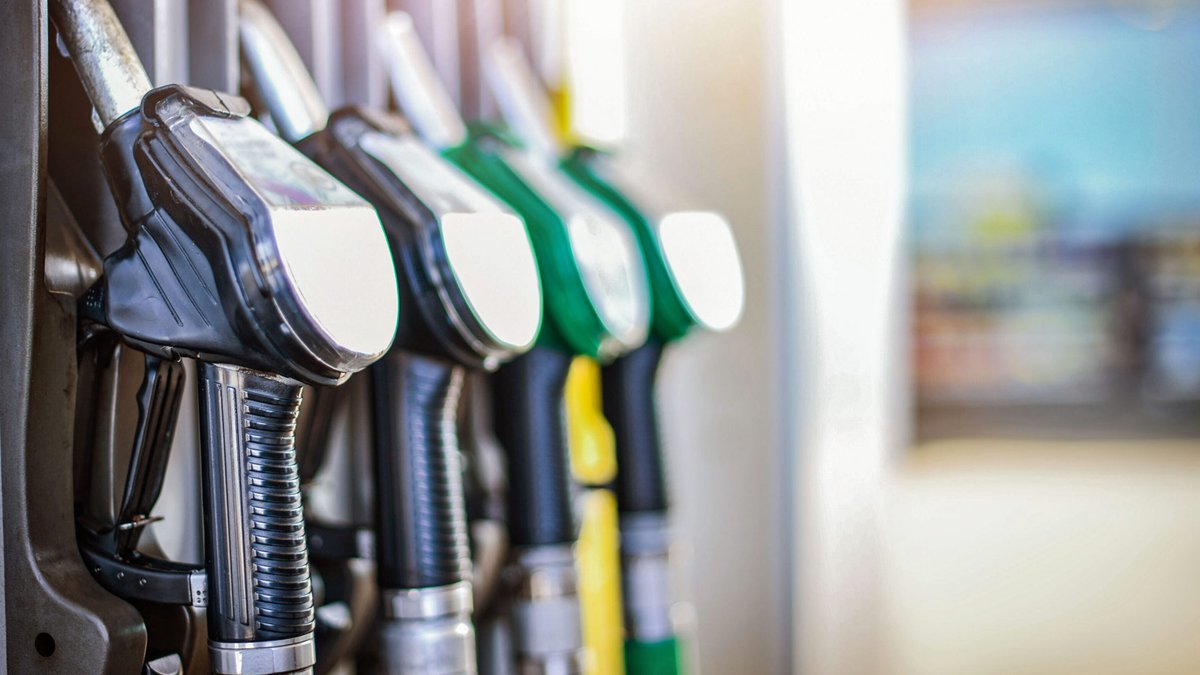
Google Maps and Waze have introduced real-time fuel pricing for petrol and diesel across the UK, allowing drivers to locate the most affordable options amid rising costs. The feature pulls data from the government’s Fuel Finder platform, which mandates that stations report price changes within 30 minutes of adjustment. This ensures drivers receive near-instant updates through their navigation apps.
To access the information, users can search for “petrol” or “fuel” in either app, triggering a map overlay that displays nearby prices. Selecting a station reveals the exact cost per litre for both fuel types, along with the timestamp of the last update. By integrating this data, Google and Waze expand price transparency beyond specialized apps, capitalizing on their widespread user base.
Diesel prices have now surpassed £2 per litre, an all-time high, making reliable, current fuel data essential for drivers managing budgets. The update helps users plan refuel stops more efficiently, particularly as economic pressures grow during the winter months.
Sarah-Jayne Williams, Google’s director of global product partnerships, described the feature as a tool for drivers to make deliberate spending choices. However, the accuracy of the data depends on fuel stations adhering to reporting requirements. Experts caution that delays or inaccuracies could weaken the system’s effectiveness.
Michael Passingham from consumer advocacy group Which? acknowledged the update’s potential but stressed that its success depends on compliance. The launch follows years of increasing fuel costs, directly addressing frustrations over unclear pricing.
The government’s Fuel Finder service remains the backbone of the data, though its reliability depends on consistent participation from fuel providers. Without strict adherence, the feature risks becoming less useful to drivers seeking cost savings.
Passingham also highlighted the broader implications for competition in the fuel market. The integration reflects a broader trend toward digital tools assisting consumers in handling essential expenses.
For now, the update provides a practical solution to a longstanding issue, offering drivers a clearer path to managing fuel costs during a period of financial strain. The feature’s long-term impact will depend on how well stations maintain accurate reporting.


Leave a Reply