
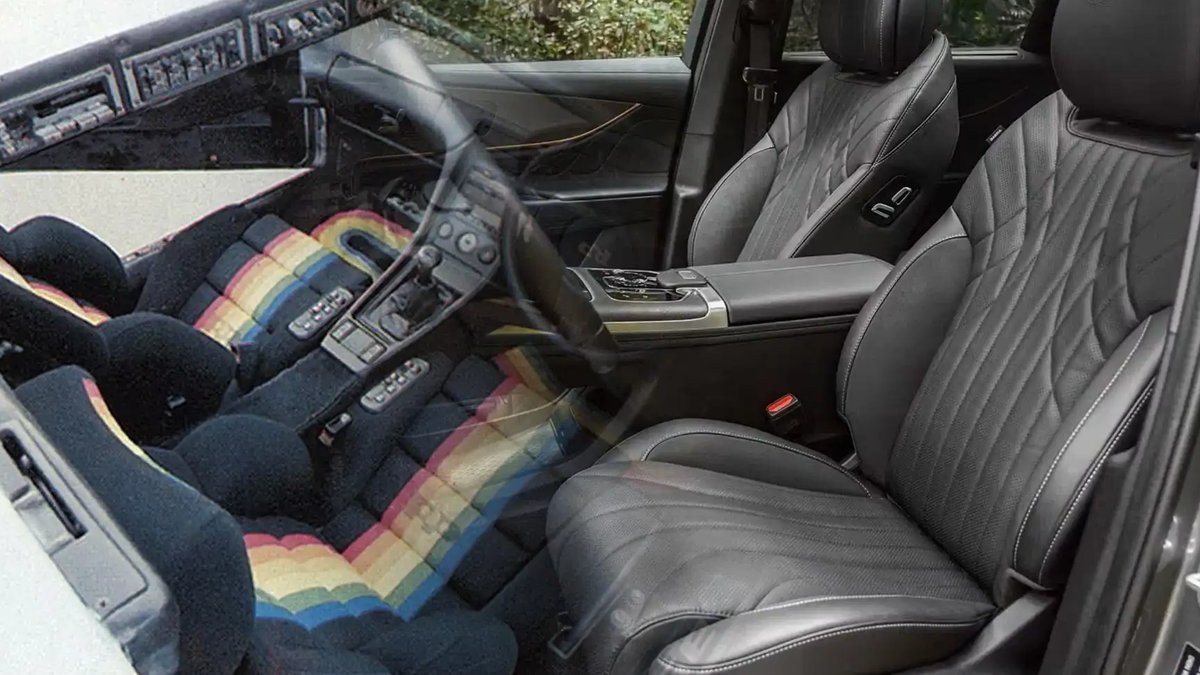
Fake leather has entered almost every vehicle on the market, from models costing $25,000 to those priced at $250,000. One writer argues that the industry should stop using this “cheap feeling, nasty plastic” and save real leather for high-end applications. Instead, the author suggests returning to cloth and other materials, noting that even luxury brands have shifted away from genuine hides.
The interior of a modern vehicle rarely feels like a place of comfort. The author points out that top-tier, self-proclaimed luxury companies now use synthetic alternatives to dress their cabins. This shift has created a uniform look across price ranges. The author writes that it is time to ask why every interior needs a leather-like surface. Options like cloth and Alcantara exist, yet they are underused in mass-market vehicles.
The Sticky Reality of Fake Leather
Comfort is often the first casualty of this change. The author describes affordable faux leathers as unpleasant, noting that seats either slip or stick to the driver like velcro. A specific complaint is the smell of these synthetic materials. Regardless of the car’s price, the author says the distinct odor of fake leather is impossible to hide; it simply smells of cheap quality.
Read Also: Honda’s Super-One sells out despite tiny range
One practical argument for real materials is durability. The writer notes that real leather, used in belts and shoes, often lasts for years, whereas synthetic items degrade quickly. This contrasts with the writer’s free couch, which features a peeling coating of faux leather. The author questions the long-term viability of these materials in cars, wondering if they contribute to a “throwaway culture” and increased waste and emissions.
While the author acknowledges concerns about animal welfare and the environmental impact of cattle farming, they suggest that the by-products of the food industry could be used more responsibly. The writer argues that if an animal is slaughtered for food, its hide should be utilized rather than discarded. Conversely, the production of synthetic leatherette relies on non-renewable resources and generates greenhouse gases during manufacturing, complicating the environmental calculus.
Misleading Labels and Marketing Tricks
There is also the issue of labeling. The author points out that many manufacturers use the term “leather-appointed” to describe interiors made largely of fake leather. Fine print often clarifies that this is a mix of real and synthetic materials. The writer compares this to a $2 bottle of apple juice that contains five percent juice and 95 percent lab-made ingredients, suggesting the marketing is misleading for less informed buyers.
Read Also: Sydney named worst city for parking in Australia
This trend represents a move away from the textures of the past. The author recalls a time when affordable cars featured plush cloth interiors rather than plasticky surfaces that stick to skin on hot days. This shift is partly blamed on new brands attempting to create luxury appeal in economy cars. Legacy manufacturers have followed suit, resulting in a plethora of vehicles with uncomfortable, sticky materials throughout the cabin.
The author suggests that the solution is to stop being “lazy” and reintroduce intelligent, interesting cloth seat designs. The writer points to examples of successful implementation, such as the current-generation Honda Civic Type R, which offers a premium-feeling seat without leather or leatherette. The Cupra Extreme Package bucket seats and the Renault Scenic Esprit Alpine are also cited as examples of better material use.
A History of Interesting Upholstery
There is precedent for these designs in the past. The author lists examples from the automotive history, including the gingham, tartan, plaid, pasha, and corduroy patterns found in some older Porsches. Other examples mentioned include the BMW M Rain fabric in the M3. These options suggest that material variety is not a new concept but has been temporarily abandoned.


Leave a Reply