
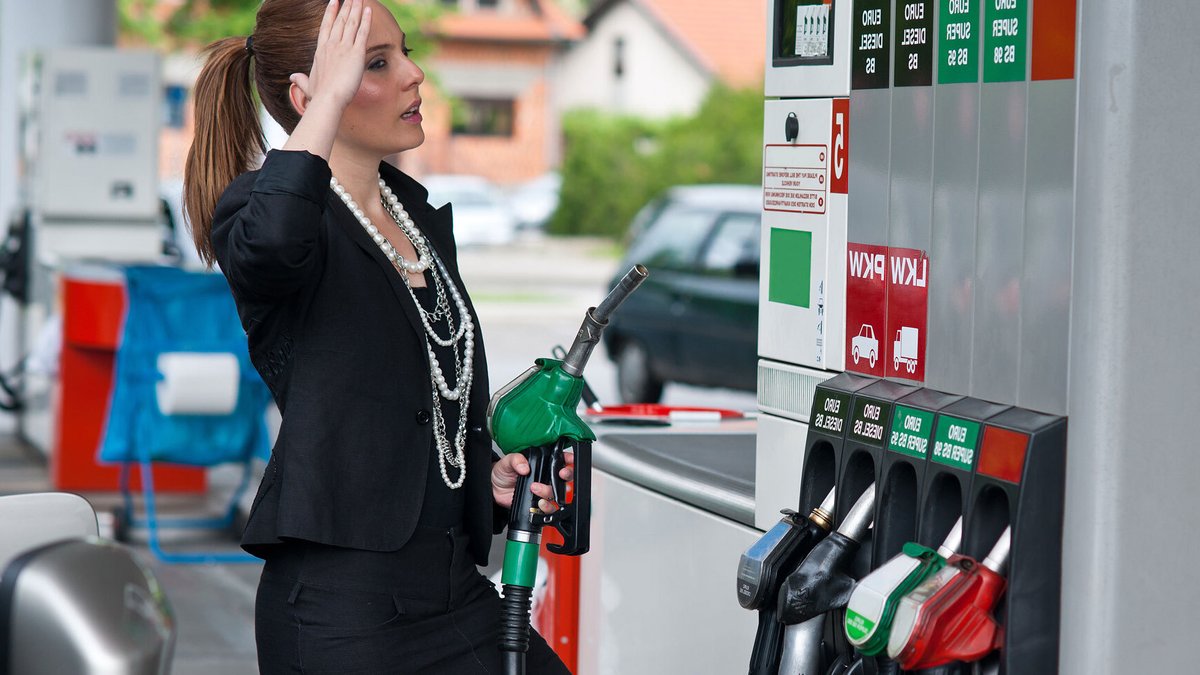
The AA is urging Chancellor John Healey to introduce a 6-pence-per-litre cut to pump prices at the upcoming Budget, citing the sustained pressure of high fuel prices driven by Middle East and Ukraine conflicts.
It wants the Budget later this month to preserve the existing 5-pence-per-litre reduction in fuel duty, which was set to lapse in September 2026 after being postponed earlier this year. The association argues that keeping this measure in place would help households manage the ongoing cost pressures.
It proposes a further 5-pence-per-litre cut to the same tax, arguing that the current market conditions constitute “exceptional circumstances” for motorists. The group adds that the additional relief would complement the existing cut and provide a clearer signal that the government is responding to consumer concerns.
Combined, the two cuts would translate to a 6-pence-per-litre saving at the pump after VAT, meaning a driver filling a 55-litre family SUV would pay about £3.30 less per tank.
Without the measures, the same fill-up could cost roughly £6.60 more, a difference that many families would feel on a weekly basis.
The AA points out that the Treasury collected an extra £374 million in VAT during the first half of 2026, a windfall generated by higher petrol and diesel prices. Redirecting part of that revenue toward a tax cut could ease the fiscal impact on drivers while preserving overall tax intake.
“Drivers need the Chancellor to put the brakes on rising fuel costs. The first step must be keeping the existing 5p fuel duty cut, but with prices rising we believe the Chancellor should go further and cut another 5p,” said Edmund King, AA president.
King added that raised fuel costs affect more than just motorists, raising the expense of moving goods, deliveries and business operations, which eventually filters into household bills. He said that protecting drivers also supports the broader economy by reducing transport costs for businesses.
The AA’s final request is to keep the existing 5-pence reduction in the tax and add an extra 5-pence cut, delivering a net 6-pence-per-litre relief for consumers at the pump. If implemented, the combined relief would represent a modest but tangible reduction in daily running costs for most motorists.


Leave a Reply