
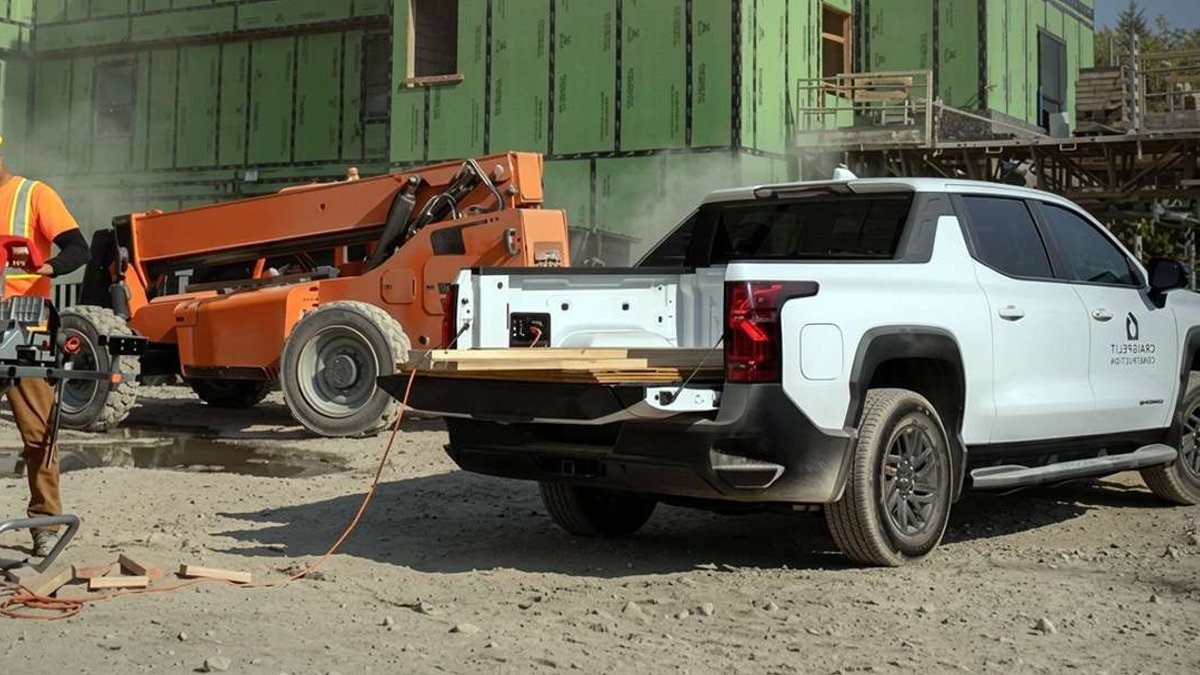
A landscaping crew in the Midwest replaced its 2017 gasoline pickup with a 2024 Chevrolet Silverado EV 4WT after a Reddit post highlighted a $900-per-month operating advantage. The switch turned a routine work vehicle into a grid-powered tool.
Operator reports $900 monthly savings
The crew tows a 5,000-pound utility trailer about 90 miles each day, carries three workers and runs power-intensive equipment on site. The former Ford F-150 averaged roughly 8 MPG, burning 55 gallons weekly at $4.00 per gallon.
At that rate, fuel cost reached $220 each week. The electric Silverado logged 0.9 mi/kWh while pulling the same trailer, drawing about 120 kWh daily. With commercial electricity priced at $0.18/kWh, weekly power expense fell to $120.
Beyond the primary fuel shift, the truck’s built-in power outlets replaced a separate gasoline generator. Crews saved an extra 10 gallons of generator fuel each week, equating to roughly $160 in monthly secondary fuel costs.
Maintenance demands also dropped. Over seven months the EV required two cabin-air-filter changes and two tire rotations, totaling $200. A comparable gas truck would have incurred oil changes, brake service and fluid checks that often exceed that amount.
Combining fuel, generator and service savings produced an average reduction of $900 per month, amounting to about $5,500 over the tracking period.
Charging infrastructure and payload limits
Achieving the daily 80% charge by 5:30 a.m. required a dedicated 80-amp charger linked to a 100-amp circuit at an employee’s home. The setup involved upgrading the residential panel and adding smart-energy software to balance household loads.
The company coordinated with the local utility to install a separate meter for the work-truck charger, allowing the business to bill the electricity at a flat rate without affecting the employee’s personal power bill.
Read Also: Dallas Nissan Leaf Owner Questions $5,000 Battery Quote
Such logistical hurdles echo earlier fleet upgrades where operators accepted higher upfront costs for long-term savings. The trade-off between extra capital outlay and reduced operating expense remains a central calculation for many businesses.
The large battery pack that enables the EV’s EPA-rated range also adds significant curb weight. When equipped with the biggest battery, the Silverado’s payload capacity drops to 1,400 pounds. With a trailer tongue weight of about 450 pounds, only roughly 900 pounds remain for crew and equipment.
Base price starts at $52,800, a figure that exceeds many conventional work trucks. Lenders are still adapting to EV depreciation trends, which can make financing less attractive than traditional options.
Severe winter temperatures reduce effective battery range, prompting fleets to intentionally reduce their operating radius during cold months.
Financing and Depreciation Considerations
Fleet managers often weigh the larger capital outlay against projected operating savings. The Silverado EV’s higher sticker price pushes many buyers toward cash purchases or customized lease structures.
Technology Gaps and Seasonal Constraints
While the Silverado EV provides built-in power outlets, it currently lacks the advanced hitch-alignment automation found on rival platforms. Operators must manually adjust trailer connections, which can add minutes to each start-up routine.
Integrated telematics solutions are still emerging for this model. Existing software does not yet offer the same depth of fleet-management analytics as some competing electric pickups.
Companies that operate within a roughly one-hundred-mile radius find the vehicle’s range sufficient, even when accounting for seasonal reductions. The need to plan routes around temperature-dependent range remains a key operational factor.


Leave a Reply