
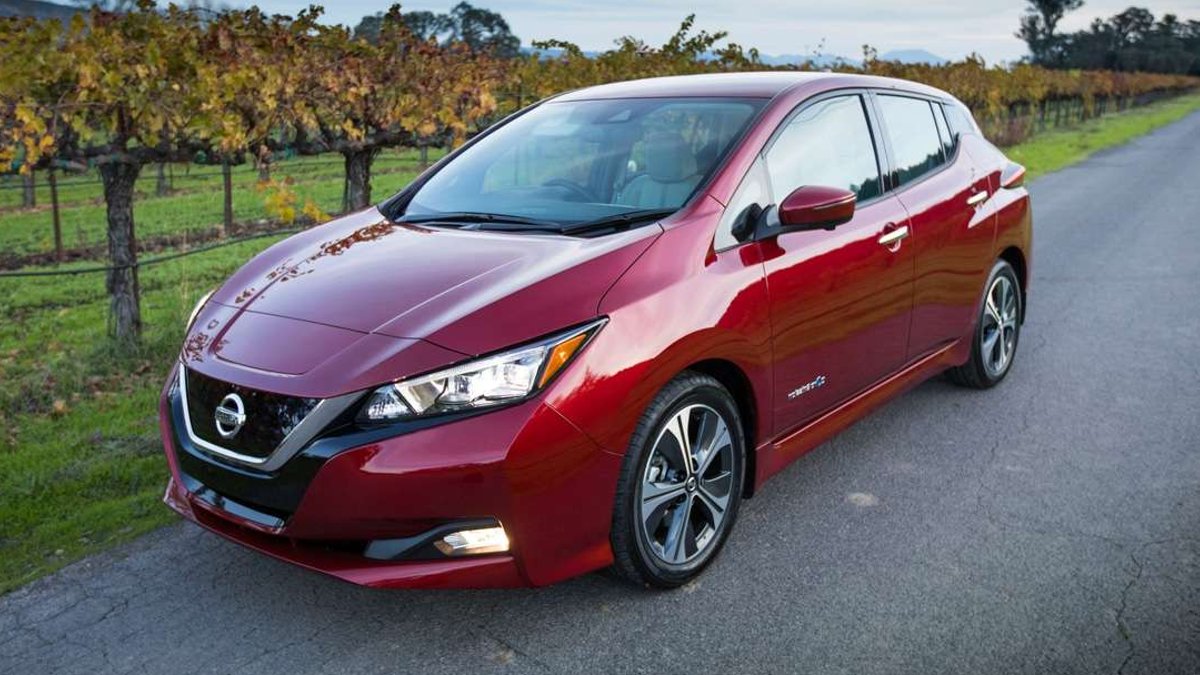
A North Dallas driver is seeking a second opinion after receiving a $5,000 battery replacement recommendation for their 2018 Nissan Leaf. The driver, posting on Reddit as maarch72, shared a reported battery state of health of 80.11% and an explanation generated by ChatGPT.
The Reddit request explicitly asked for an EV specialist located in North Dallas.
The Costly Question
The high price of the suggested replacement creates uncertainty about whether the battery truly requires a new pack. The dealer’s written findings, fault codes, and confirmed repair details have not been provided, leaving the situation open to further scrutiny. In the absence of those documents, the driver cannot verify whether the recommendation aligns with the vehicle’s actual condition.
The Diagnosis Debate
A reply in the Reddit thread suggested a possible compressor issue, adding another layer of complexity to the problem. That suggestion remains the driver’s interpretation rather than a confirmed diagnosis, and the original complaint, diagnostic codes, and test results are essential for any independent shop to evaluate.
The mention of a possible compressor fault originates from a separate comment in the Leaf community, where a user cited NissanSpy (a diagnostic app) output suggesting a climate-control component problem rather than a battery issue.
Read Also: Silverado’s smaller engine tows more weight
The health level reported by the vehicle’s monitoring system, while informative, does not provide a complete picture of the battery’s condition. A study in Electronics defines capacity-based state of health as a battery’s current capacity relative to its initial capacity. Treating the percentage as a complete answer would exceed the available evidence.
Researchers in the same study used extensive NASA aging data from small lithium-ion cells to validate estimation techniques, illustrating that such percentages provide a snapshot but do not diagnose the underlying cause of performance loss.
For Nissan Leaf owners, this case highlights the need for clarity before approving major repairs. Nissan’s warranty distinguishes between battery defects and capacity loss, covering defects for 96 months or 100,000 miles and capacity loss below nine segments on the battery gauge.
The warranty period begins at the moment the first retail buyer takes possession of the vehicle, and the coverage for capacity loss is limited to restoring the battery to at least nine gauge segments, not necessarily to its original full capacity. Repairs may involve refurbished cells or a reconditioned pack, depending on the manufacturer’s assessment.
A useful second opinion should connect the vehicle’s symptoms, diagnostic codes, test results, and proposed repair in writing, especially because Nissan treats battery defects and capacity loss as separate warranty issues.


Leave a Reply