
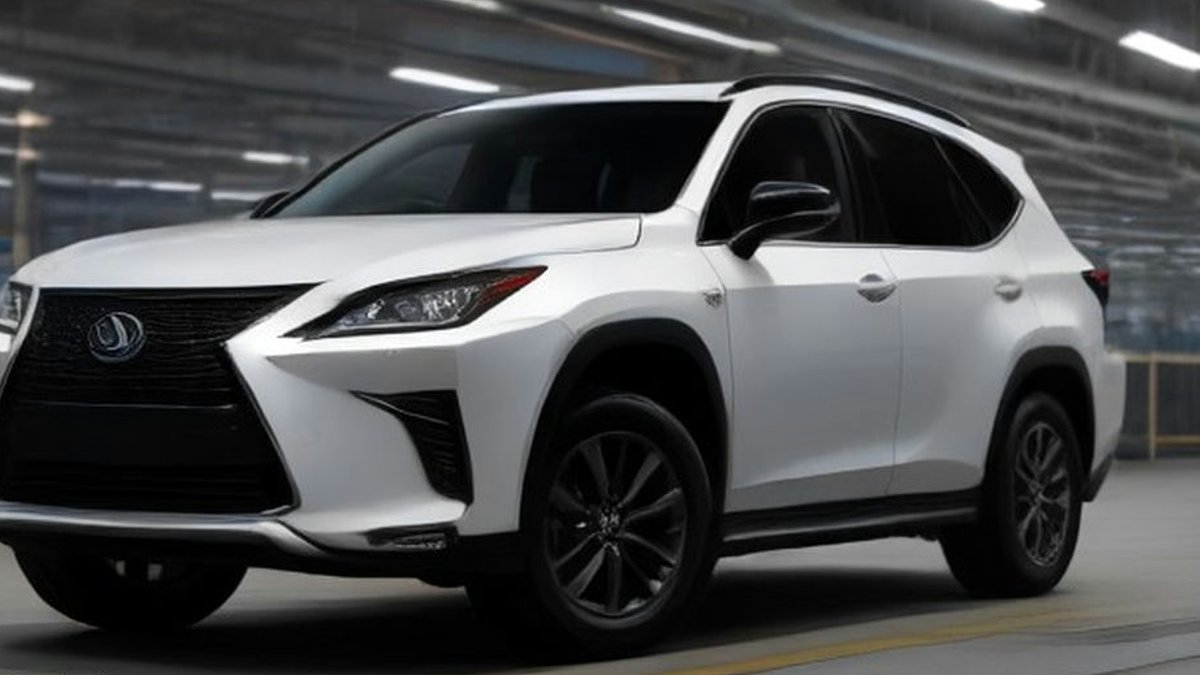
Lexus, a luxury automotive brand, is set to launch its first locally produced electric SUV in China by 2027. This strategic move marks the end of Lexus’ nearly three-decade reliance on full imports to China.
The Battery Electric Vehicle (BEV) model will be assembled at Toyota’s new factory in the Jinshan District of Shanghai. The facility, named Lexus Electrified, is the company’s first wholly-owned plant outside of Japan.
As a fully foreign-owned company, the factory operates independently, separate from local joint ventures. Construction of the facility began in 2025, with an initial production target of around 1,000 units per month, equivalent to 12,000 units per year for the domestic market.
Lexus has not yet disclosed the official name, price, battery capacity, or range of the electric SUV. The new factory in Shanghai adopts aluminum gigacasting technology to produce the front and rear frames, reducing assembly time by combining multiple small components into larger parts.
The production line also features a modern assembly layout without conventional conveyor belts, with each SUV unit moving autonomously between workstations during the assembly process. Industry reports suggest the use of prismatic ternary lithium or lithium iron phosphate (LFP) battery cells.
Toyota, along with Idemitsu Kosan, is developing solid-state battery technology based on sulfide, targeting practical applications in electric vehicles from 2027 to 2028. However, it is unclear whether this solid-state battery will be directly installed in the Lexus SUV.
Lexus’ decision to assemble electric SUVs locally is a response to intense competition from Chinese electric vehicle brands. Lexus’ sales in China have declined from a peak of 227,000 units in 2021 to 182,485 units in 2025, with sales of the Lexus ES sedan dropping by around 26% from January to August 2026.
By assembling vehicles locally in Shanghai, Lexus avoids the 15% import tax on vehicles, allowing for more competitive pricing against rivals like Nio and Zeekr. This expansion aligns with the growing adoption of New Energy Vehicles (NEV) in China, which account for 54% of the market.
Toyota is restructuring its research alliance with local partners FAW and GAC, as the company continues to adapt to the changing Chinese market. They are taking these steps to remain competitive in the market.


Leave a Reply