
Japanese automakers have begun resuming production after a magnitude 6.8 earthquake hit Kumamoto Prefecture on July 28, interrupting operations at several plants. Nissan, Toyota, and Mitsubishi have restarted most facilities, though Honda continues to face delays with three key sites still closed.
Production restarts at affected factories
Nissan and Toyota have restored operations at the majority of affected factories. Nissan’s Kyushu plant, which assembles the X-Trail for Australia, returned to full production on August 6. The Shatai Kyushu facility, where the Patrol is built, resumed work the following day.
Toyota’s Miyata, Kanda, and Kokura plants in northern Fukuoka Prefecture came back online on August 6. These locations produce engines, hybrid components, and Lexus models such as the UX, NX, RX, and ES. The company’s Tahara plant in Aichi Prefecture will remain closed until August 17 because of parts shortages.
Mitsubishi’s Mizushima plant, located farthest from the quake’s epicenter, restarted on August 5. It manufactures kei cars for both Mitsubishi and Nissan.
Related: Mercedes reveals longest-range AMG GT53 EV
Honda’s extended closure
Honda has struggled to recover. Its Kumamoto plant, which produces motorcycles and power products, began limited operations on August 5, but three other sites remain offline. Among them is the Saitama Factory, where the Yorii Automobile Plant builds the Civic, Civic Type R, ZR-V, and Prelude for Australia.
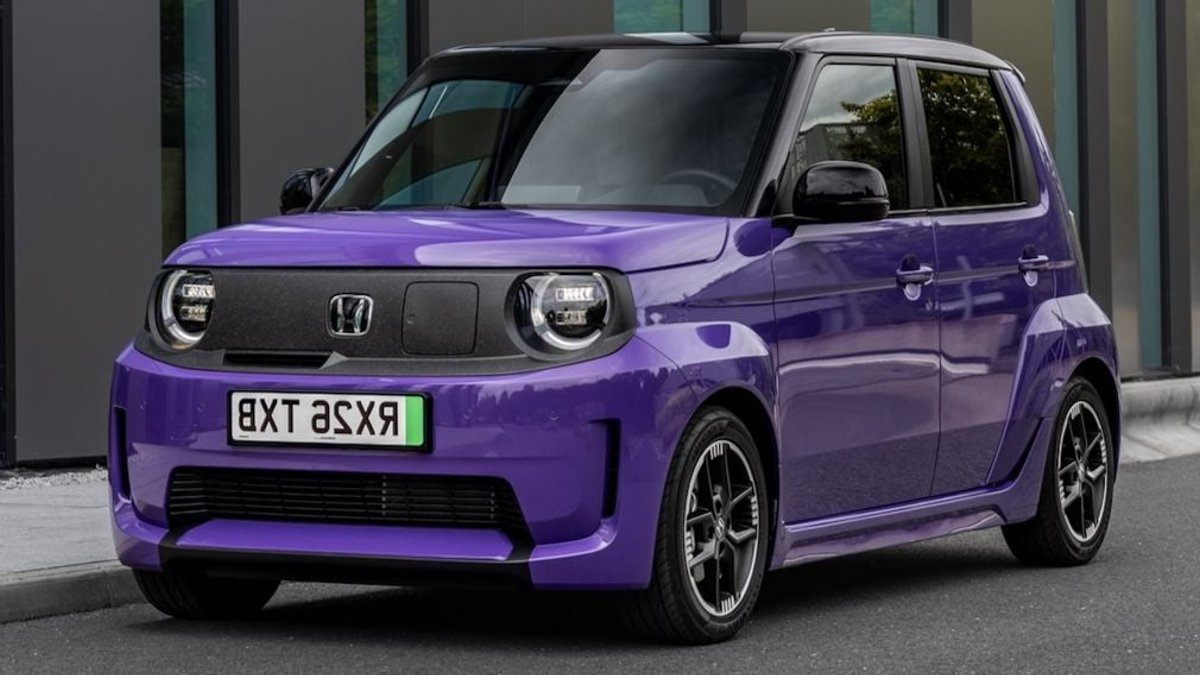
The Suzuka Factory, assembling the Honda Super-One electric vehicle due in Australian showrooms in October 2026, and the Yokkaichi plant are also shut. Honda has not set a restart date, only confirming the sites will stay closed until at least August 19 due to supply chain problems.
The Kumamoto facility was the closest to the earthquake’s epicenter. Honda initially planned to keep it closed until August 7 but reopened it two days early. A company statement said, “We will continue to gradually resume production and aim to return to normal operations as soon as possible.”
No injuries occurred at any automaker plants. However, Japan’s Daily Jidosha Shimbun reported three workers were injured at Astemo Uki, a Honda-affiliated supplier, though their injuries were not considered serious.
Related: ARAI Report Shows E20 Impact on E10 Cars
The closures have not affected vehicle supply to Australia. Nissan estimated the quake reduced its output by around 5,000 vehicles, though dealers do not anticipate customer delays.
Koji Sato, head of the Japan Automobile Manufacturers Association, addressed the impact in a July 29 statement. “The automotive sector has been hit hard, with many in our network—including dealers and suppliers—suffering damage,” he said. “We are committed to supporting the 5.5 million people in this industry as we work through this crisis.”
Toyota’s shutdown coincides with its annual summer break from August 8-16, which may limit additional delays. For now, efforts center on damage assessment, securing parts, and restoring full production, particularly for Honda, where the timeline remains unclear.


Leave a Reply