
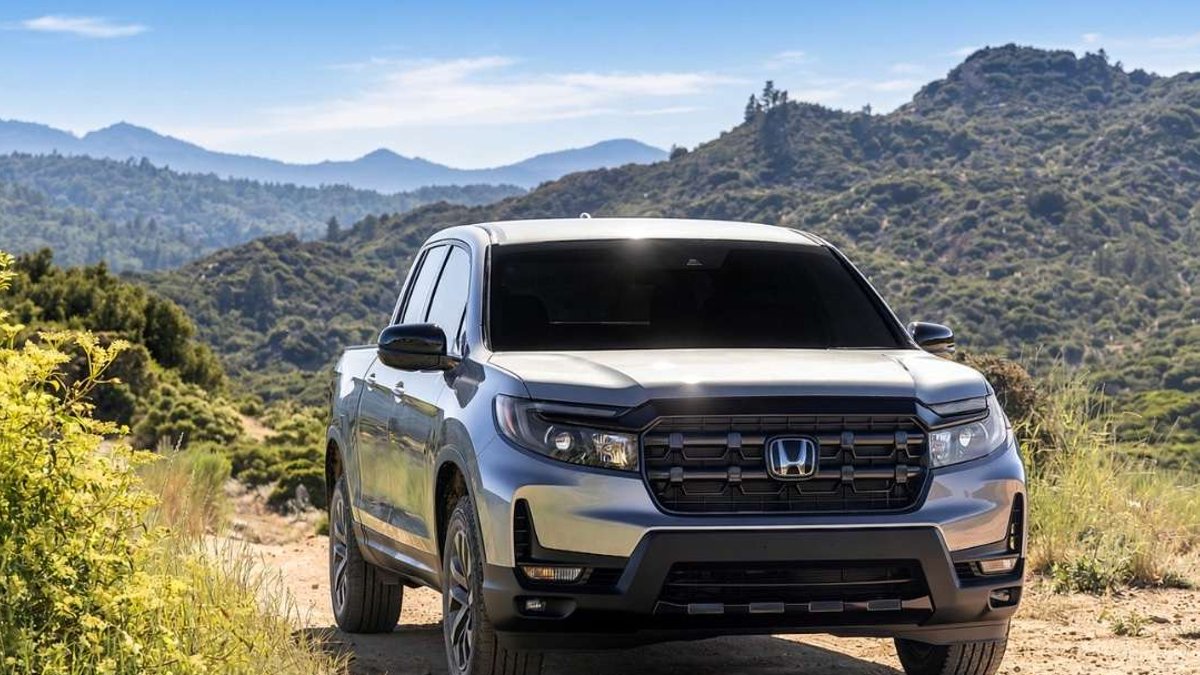
The Toyota Tacoma retains 85% of its original value after one year, while the Honda Ridgeline holds onto just 79.7%, according to recent depreciation data. This five-point difference may seem modest in the first year, but its compounding effect over time reveals a stark contrast in long-term value retention. By year 12, the Tacoma remains worth 56% of its starting price, whereas the Ridgeline drops to 36%. For consumers prioritizing long-term value, this disparity translates into significant savings when selling or trading in their vehicles.
Depreciation remains a defining cost for truck buyers. While the average vehicle loses 12.5% of its value in the first year and 66% by year five, both the Tacoma and Ridgeline outperform these benchmarks. The Tacoma’s value retention at five years stands at 78.4%, meaning it has only lost 21.6% of its value. At six years—the typical point when most owners hold onto their trucks—the Tacoma still retains 75% of its value, compared to the Ridgeline’s 58%. By year 10, the Tacoma’s residual value sits at 65%, while the Ridgeline falls below 43%. The Ridgeline, while still outperforming the average vehicle, shows a steeper decline after year five.
On a $45,000 truck, the 20-percentage-point gap at year 12 means nearly $9,000 in lost resale value. That sum often exceeds an entire year’s worth of loan payments for many buyers, making depreciation a decisive factor when comparing the two models. The Tacoma’s body-on-frame construction and reputation for off-road capability likely contribute to its stronger residual value, as buyers perceive it as a more versatile workhorse.
Unlike the Ridgeline, which offers all-wheel drive as standard across all trims, Toyota only provides that option in higher Tacoma trims, potentially limiting the Tacoma’s appeal to buyers seeking rugged capability. Both trucks enjoy strong reliability ratings, but the Tacoma’s broader trim lineup, and market popularity likely drive its stronger residual value. The Ridgeline, while innovative in its design, has a smaller buyer base, which can reduce demand in the used market.
Honda’s next-generation Ridgeline, arriving in summer 2028, could reshape the competitive market. If the new model gains strong buyer approval, current Ridgelines might see improved resale figures due to increased demand for the outgoing generation. However, a poorly received update could further depress used prices, as buyers may hesitate to invest in an older model if the successor fails to meet expectations. For now, the Tacoma maintains a clear edge in long-term depreciation performance, partly because its body-on-frame design aligns with traditional truck buyers’ preferences for durability and towing capacity.
Resale value is not the sole consideration when selecting a truck. Buyers must weigh towing capacity, fuel efficiency, interior space, and handling characteristics. Yet the $9,000 difference over 12 years is a concrete financial factor that demands attention, particularly for those planning to keep their vehicles long-term. Tacoma owners benefit from better depreciation rates, while Ridgeline buyers may justify the loss by valuing features like its standard all-wheel drive, which is not available in the base Tacoma models.


Leave a Reply