
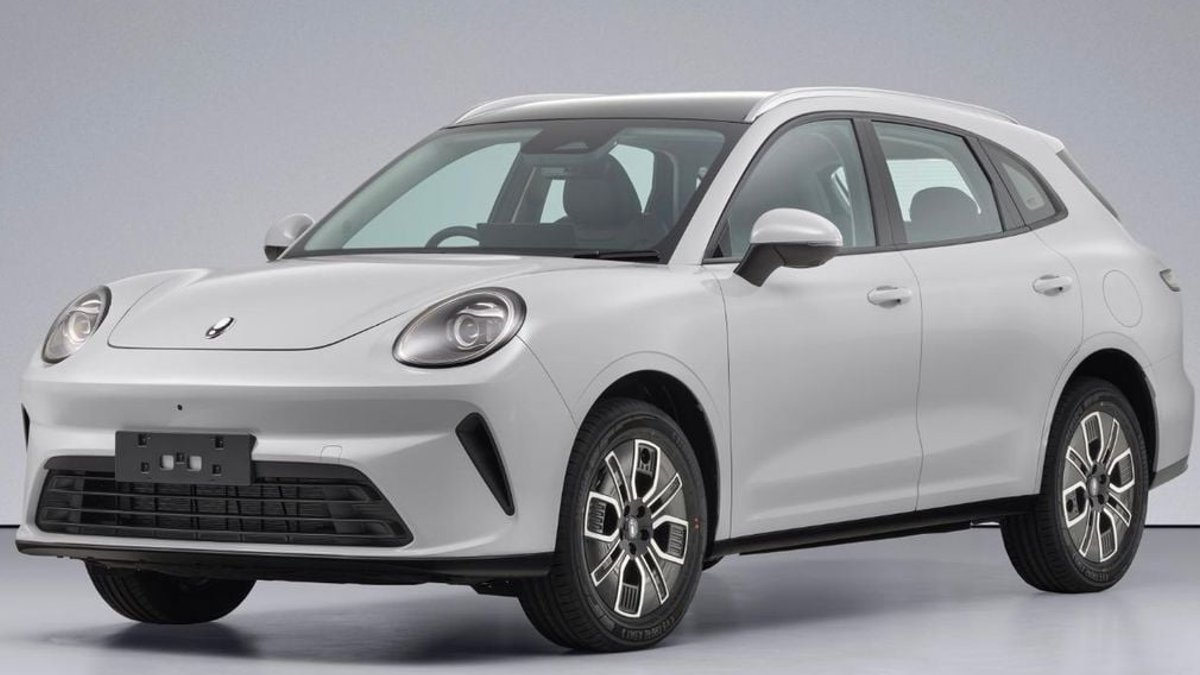
The Chinese Ministry of Industry and Information Technology (MIIT) has disclosed a certification filing for a plug‑in hybrid version of the GWM Ora 5, a compact electric SUV that will be marketed as the Ora 5 Touring.
Dimensions and styling differences
According to the filing, the new Touring model is about 300 mm longer than the existing electric‑only Ora 5, measuring 4,758 mm in overall length while retaining a width of 1,844 mm and a height of 1,630 mm. The front end mirrors the EV, but the rear has been reshaped with a conventional tail‑light layout and a full‑width light bar, giving the vehicle a boxier appearance that should increase cargo space.
Powertrain details
The PHEV will be powered by a 1.5‑litre turbocharged four‑cylinder gasoline engine rated at 115 kW, identified by GWM as the GW4B15M unit. This same engine is used in the Haval H6 PHEV sold in Australia, where it is quoted at 110 kW and 240 Nm of torque. A lithium‑iron‑phosphate battery from CATL will be paired with a front‑wheel‑drive electric motor, though the exact output of the hybrid system has not been confirmed. The filing lists a 19.1 kWh lithium‑ion battery, but no performance figures are provided.
It weighs 1,800 kg.
Weight is listed at that figure, and the vehicle will sit on 18‑inch alloy wheels that match the wheel size of the Australian‑delivered Ora 5 EV. Optional equipment includes front and side radar, LiDAR, side‑view cameras, and a choice of roof styles, with a standard roof available as an alternative to the panoramic glass.
From a broader perspective, the introduction of a PHEV variant expands GWM’s strategy of offering multiple powertrain options across its lineup, reflecting a market that still values internal‑combustion flexibility alongside electrification.
The company has not yet announced a final powertrain schedule for the Ora 5, but it confirmed that a new Ora 5 Hatch will launch in the third quarter of 2026, followed by the Touring model later in 2026 or early 2027, with a possible Ora GT thereafter. In its first month on sale, the Ora 5 electric SUV recorded 403 deliveries, according to VFACTS data, placing it just behind the larger Tank 300 SUV in popularity.
Related: Empty-nesters’ top new car picks revealed
Beyond the basic dimensions and powertrain, the MIIT filing highlights that the PHEV will be GWM’s first model to pair a CATL‑supplied lithium‑iron‑phosphate cell pack with its hybrid architecture. This distinguishes the Ora 5 Touring from most other electrified GWM vehicles, which typically rely on battery modules from the company’s own SVOLT subsidiary. The shift to CATL cells suggests a strategic move to leverage the Chinese supplier’s scale and experience with LFP chemistry, which is prized for its stability and long‑cycle life.
The rear redesign not only introduces a full‑width light bar but also replaces the sleek, coupe‑like tail‑light cluster of the pure‑electric version with a more traditional arrangement. This change is intended to convey a sturdier, utility‑focused aesthetic, aligning the vehicle with consumer expectations for a plug‑in hybrid that can comfortably handle both daily commuting and occasional cargo hauling.
While the front fascia remains virtually unchanged, the underlying engineering accommodates the additional weight of the gasoline engine and larger battery pack. The 1,800 kg kerb weight reflects the combined mass of the internal‑combustion block, the LFP battery, and the electric drivetrain, a figure that is typical for vehicles in this segment that blend both power sources.
GWM has not disclosed the exact electric motor output, but the source notes that the front‑drive Haval H6 PHEV, which uses the same engine, delivers a combined system output of 240 kW and 540 Nm of torque. Although the Ora 5 PHEV’s figures may differ, the reference provides a benchmark for the performance envelope that the new model could approach.
Optional technology packages expand the vehicle’s safety and driver‑assistance capabilities. Front and side radar units enable adaptive cruise control and blind‑spot monitoring, while LiDAR sensors add a layer of precision for advanced autonomous functions. Side‑view cameras complement these systems by offering enhanced visibility during lane changes and parking maneuvers.
Exterior customization is also emphasized, with a variety of wheel designs and mirror styles available to buyers who wish to personalize the look of their Touring. The choice between a panoramic glass roof and a conventional hardtop gives customers flexibility to prioritize either an airy cabin experience or a more cost‑effective, lower‑profile roof option.
Overall, the filing signals GWM’s commitment to diversifying its product portfolio and addressing a market that remains receptive to hybrid solutions, even as pure‑electric models gain traction. By introducing the Ora 5 Touring, the brand not only adds a new body style but also reinforces its multi‑powertrain philosophy, positioning itself to meet a broader range of consumer preferences in the rapidly evolving Chinese automotive setting.


Leave a Reply